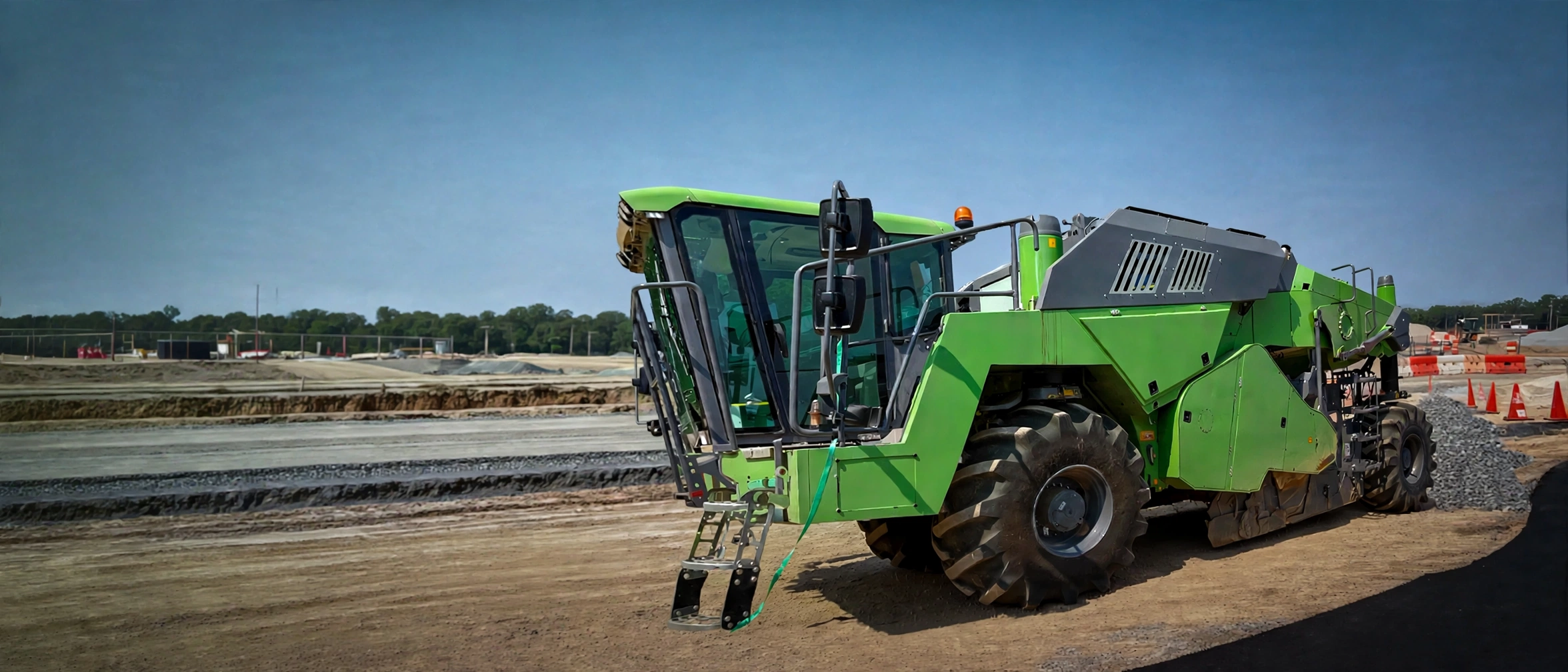
GROUND YOU CAN TRUST.
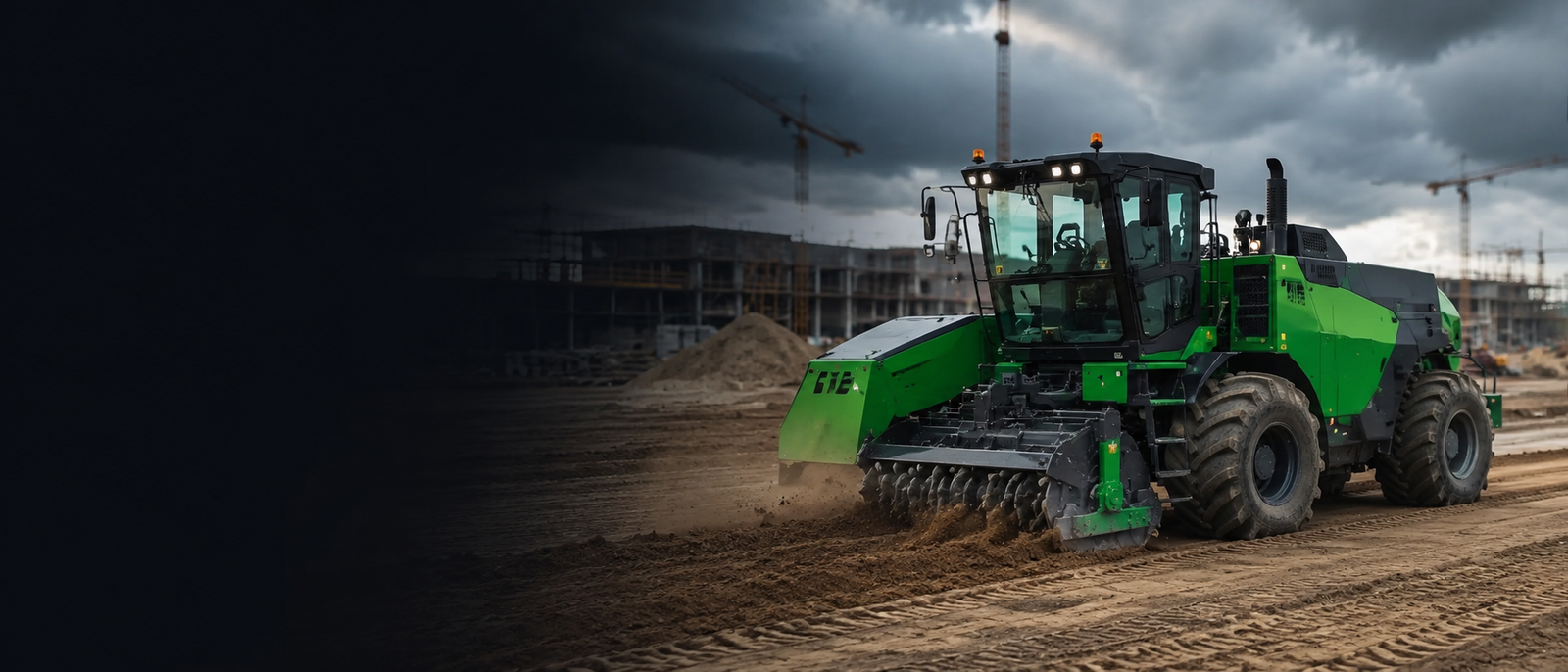
BUILT FOR THE TOUGHEST TERRAIN
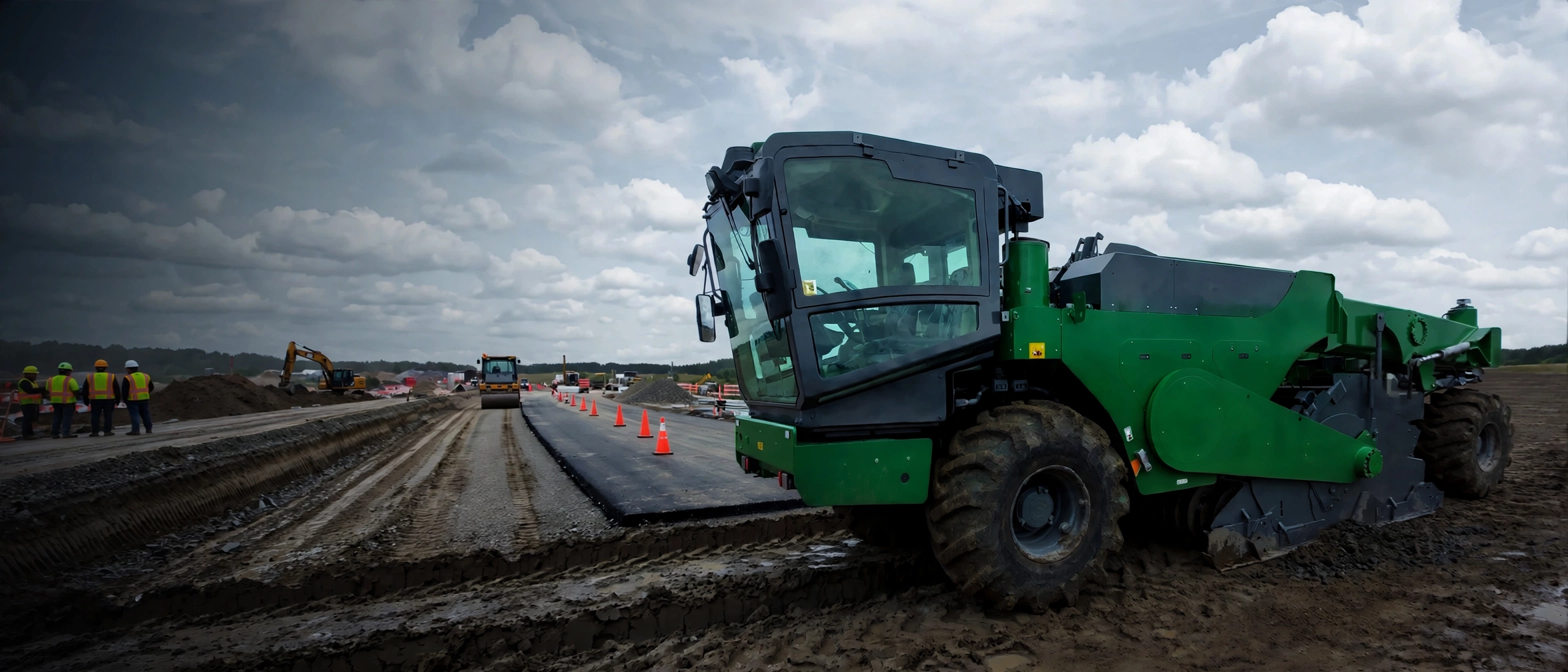
BUILT FOR THE TOUGHEST TERRAIN
about us
We provide detailed information on advanced soil stabilization equipment, covering the strength, precision, and reliability engineering behind these machines used across every type of project
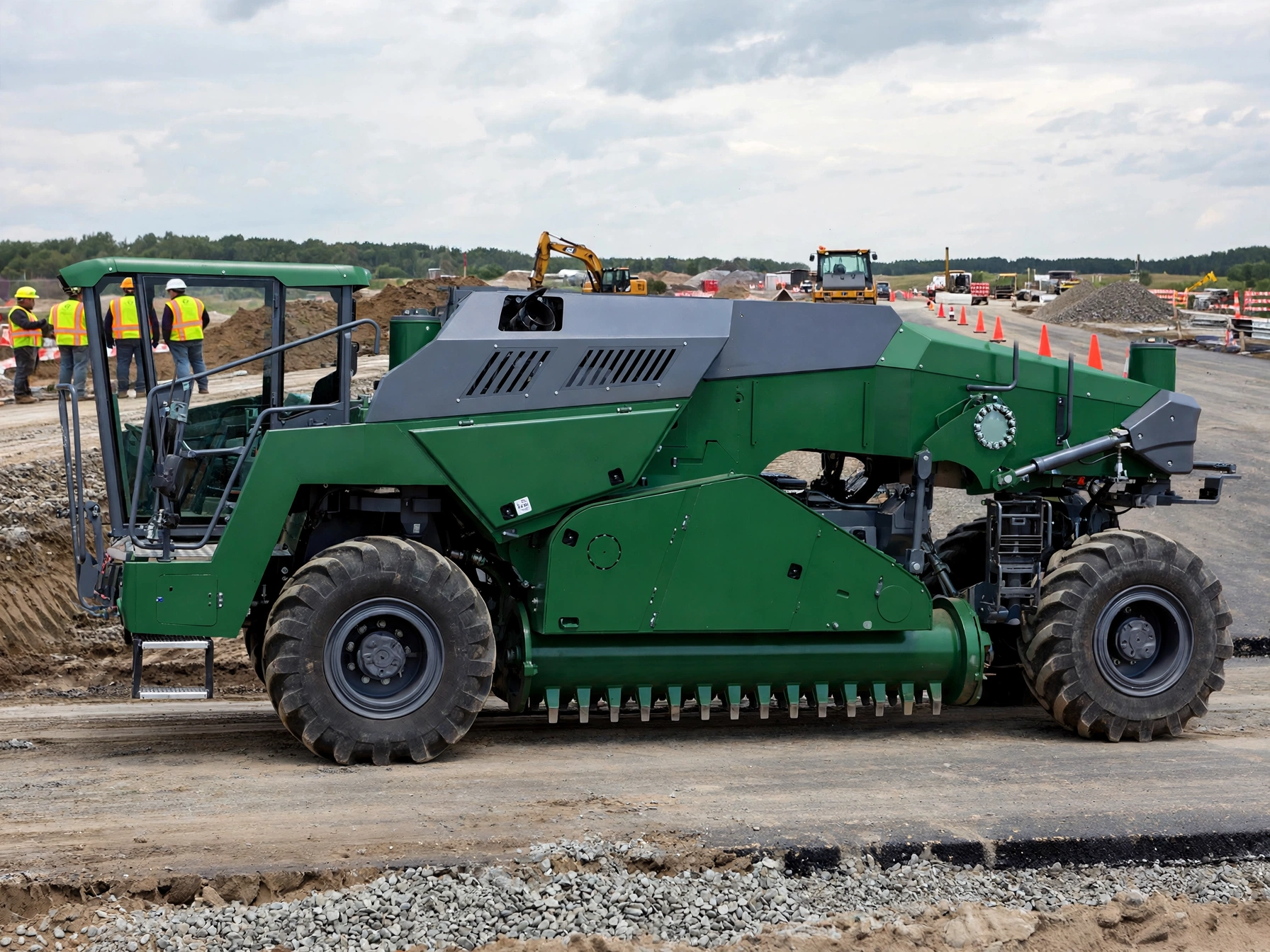
RUGGED, RELIABLE, BUILT FOR EVERY SITE
Drawing on years of industry research, we provide in-depth information on how soil stabilization equipment transforms weak, unstable ground into a solid, load-bearing foundation. Each machine type is engineered for durability, efficiency, and consistent performance under the toughest working conditions.
- Road Construction
- Highway & Infrastructure
- Site Preparation
- Ground Reclamation
Self-Propelled vs. Tow-Behind
Both mix binder into the ground and both build a stronger subgrade — but one drives itself and one rides behind a tractor. The right choice comes down to project scale, budget, and the equipment you already run. Here's how they stack up.
Self-Propelled
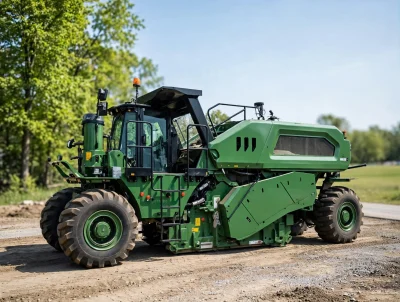
Heavy-duty reclaimerA purpose-built machine with its own engine, cab, and integrated rotor — the dedicated workhorse for highways, large roadbeds, and full-depth reclamation where output and consistency matter most.
- Highways, airports, and large infrastructure
- Full-depth reclamation and deep stabilization
- Contractors running high daily volume
Tow-Behind
PTO-driven attachmentAn implement pulled and powered by a tractor's PTO — a flexible, lower-cost route into soil stabilization for smaller sites, site prep, and operations that already own a capable prime mover.
- Site prep, rural roads, and smaller jobs
- Operations that already run a capable tractor
- Budget-conscious entry into stabilization
Go self-propelled when volume and depth pay for the machine — highways, reclamation, and daily production justify a dedicated reclaimer. Choose tow-behind when the jobs are smaller and you already run a tractor — you get real stabilizing capability at a fraction of the capital. Match the class to the scale of the work, not the other way around.
why choose us
We provide reliable, in-depth information on high-performance soil stabilization equipment, backed by industry research and a commitment to accuracy in every resource we share.
MACHINE TECHNOLOGY
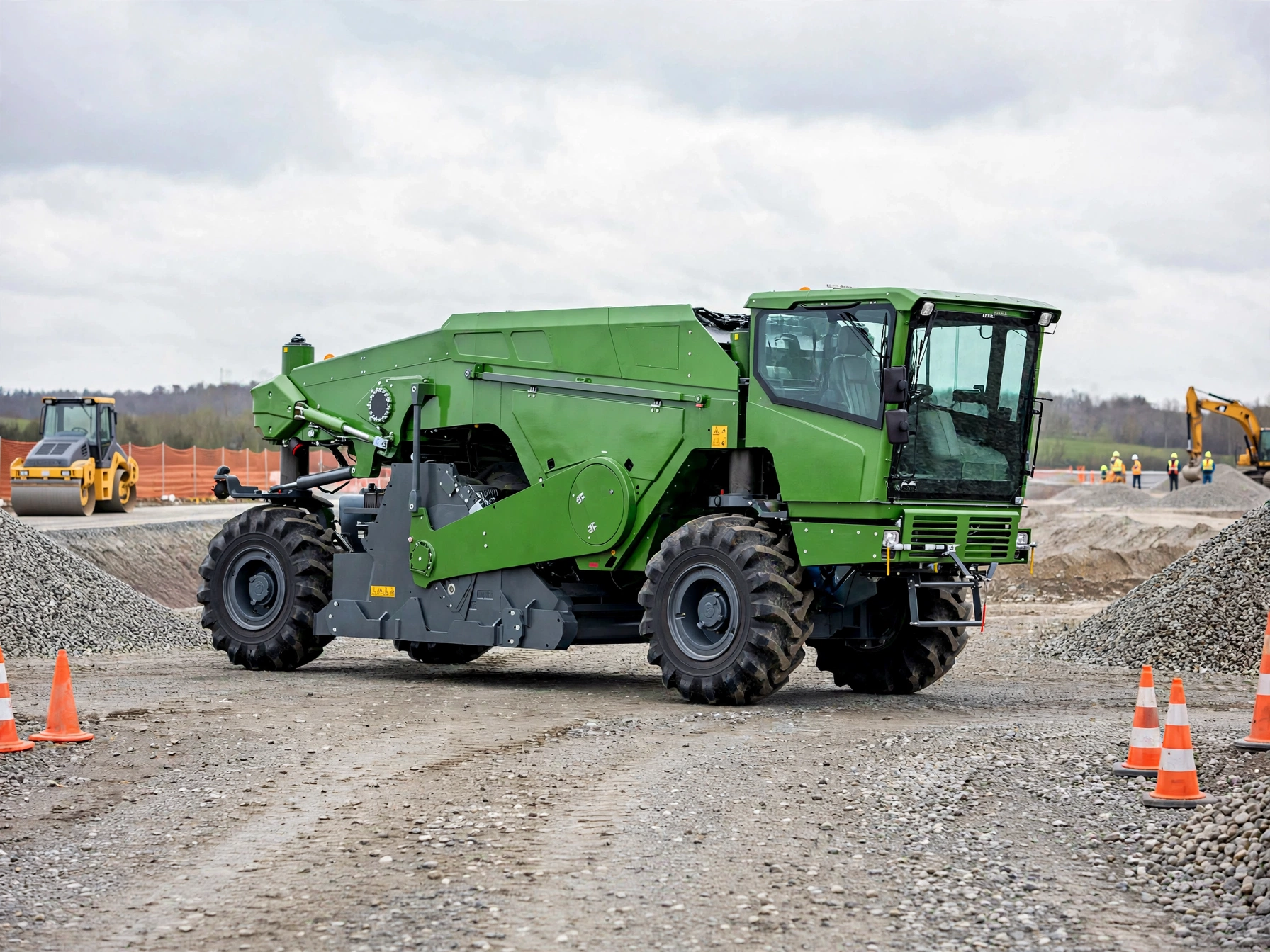
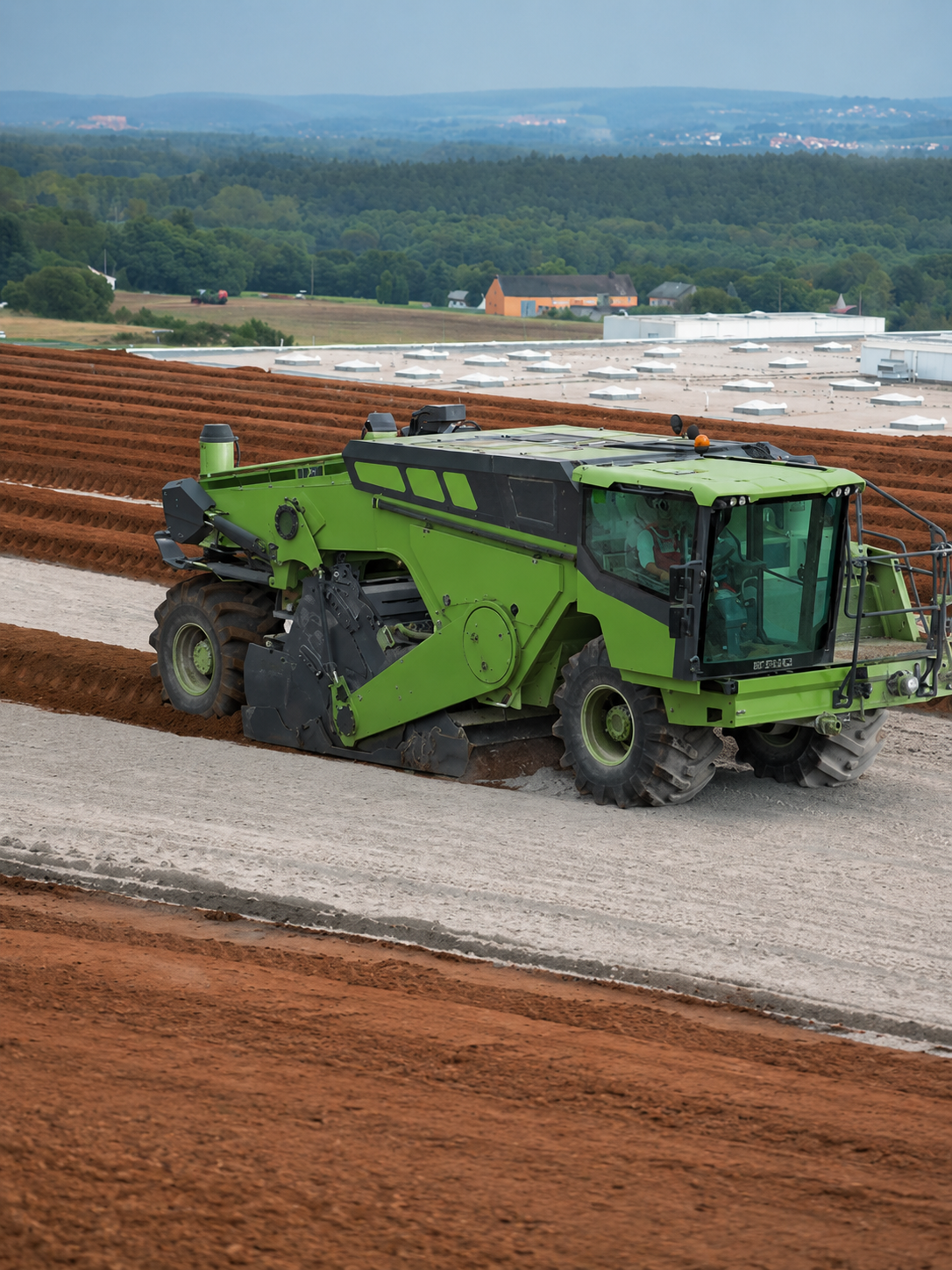
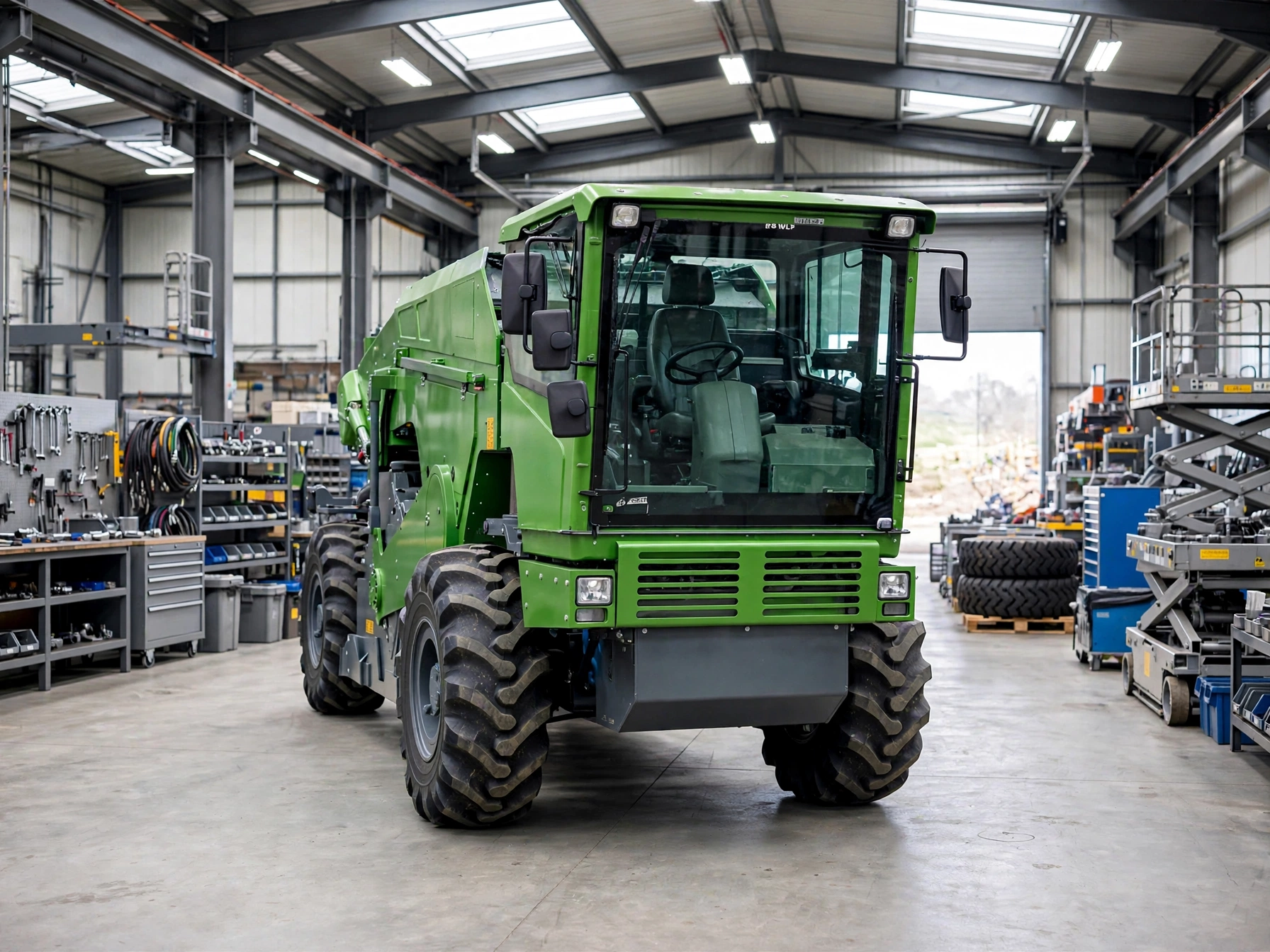
Soil stabilizers use advanced rotor and mixing technology engineered for consistent power, precision mixing, and long-term durability across different terrains.
REAL-WORLD PERFORMANCE
From highways to large-scale infrastructure projects, soil stabilization equipment is designed to deliver strong, load-bearing results across a wide range of site conditions.
our service
From machine types to technical specifications, we provide everything you need to understand professional soil stabilization equipment and its applications.
MACHINE TYPES
Learn about the different types of soil stabilizers — self-propelled, tow-behind, and compact machines — and how each is suited to specific project needs
HOW IT WORKS
Understand the mechanics behind soil stabilization, including rotor drum operation, mixing depth, and how stabilizing agents interact with soil.
APPLICATIONS & USES
Discover where soil stabilizers are used — from highway construction and airport runways to site preparation and infrastructure projects.
TECHNICAL SPECIFICATIONS
Get detailed insights into rotor size, mixing depth, power output, and other specifications that define soil stabilizer performance.
INDUSTRY BEST PRACTICES
Stay informed on recommended techniques, safety standards, and efficiency tips used across the soil stabilization industry.
SAFETY GUIDELINES
Explore essential safety practices and operational guidelines for working with heavy soil stabilization equipment on job sites.
OUR EQUIPMENT CATEGORIES
Explore our range of soil stabilization machines, engineered for every project size and site condition
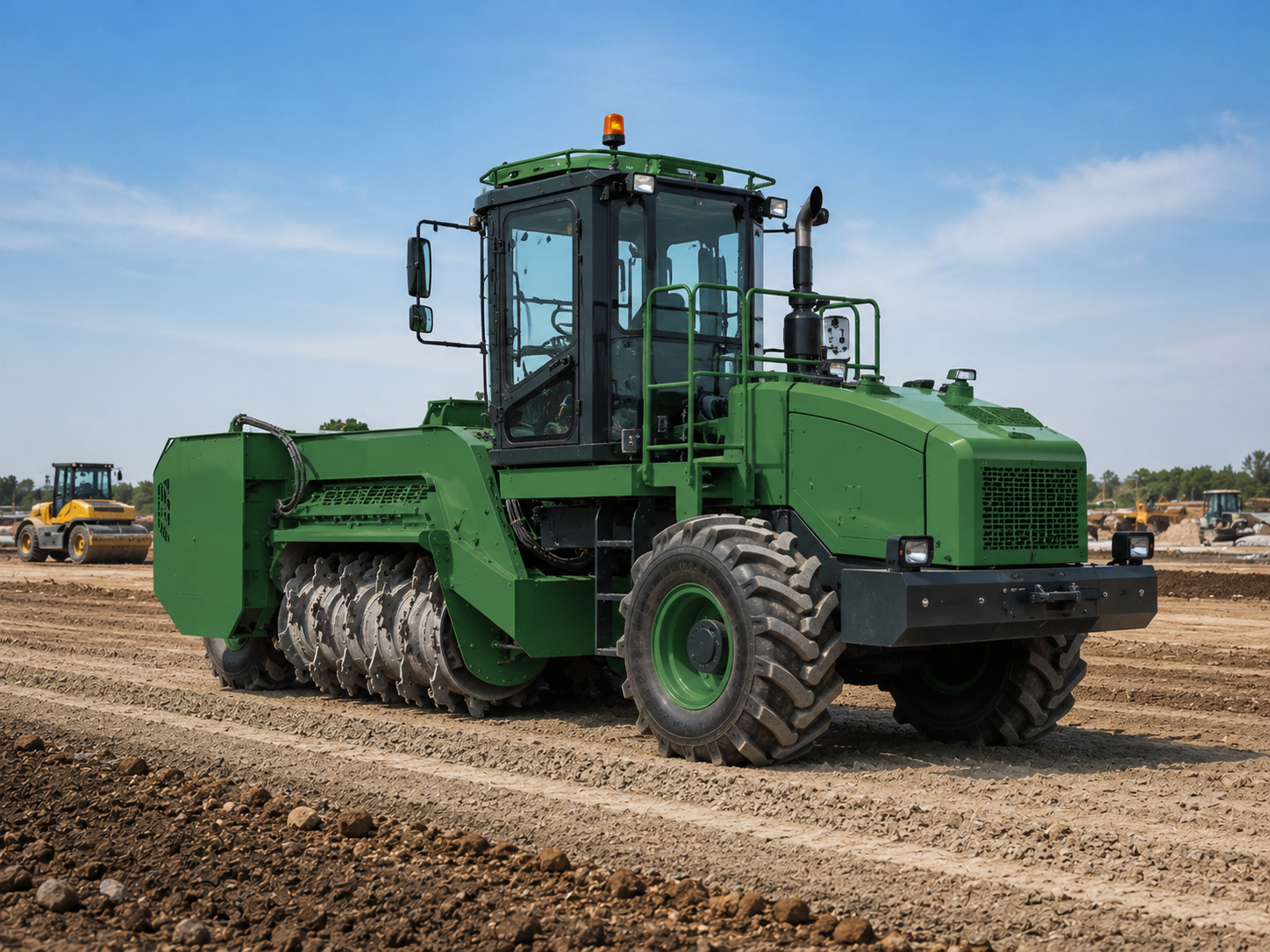
SELF-PROPELLED SOIL STABILIZER
Heavy-Duty Reclaimer
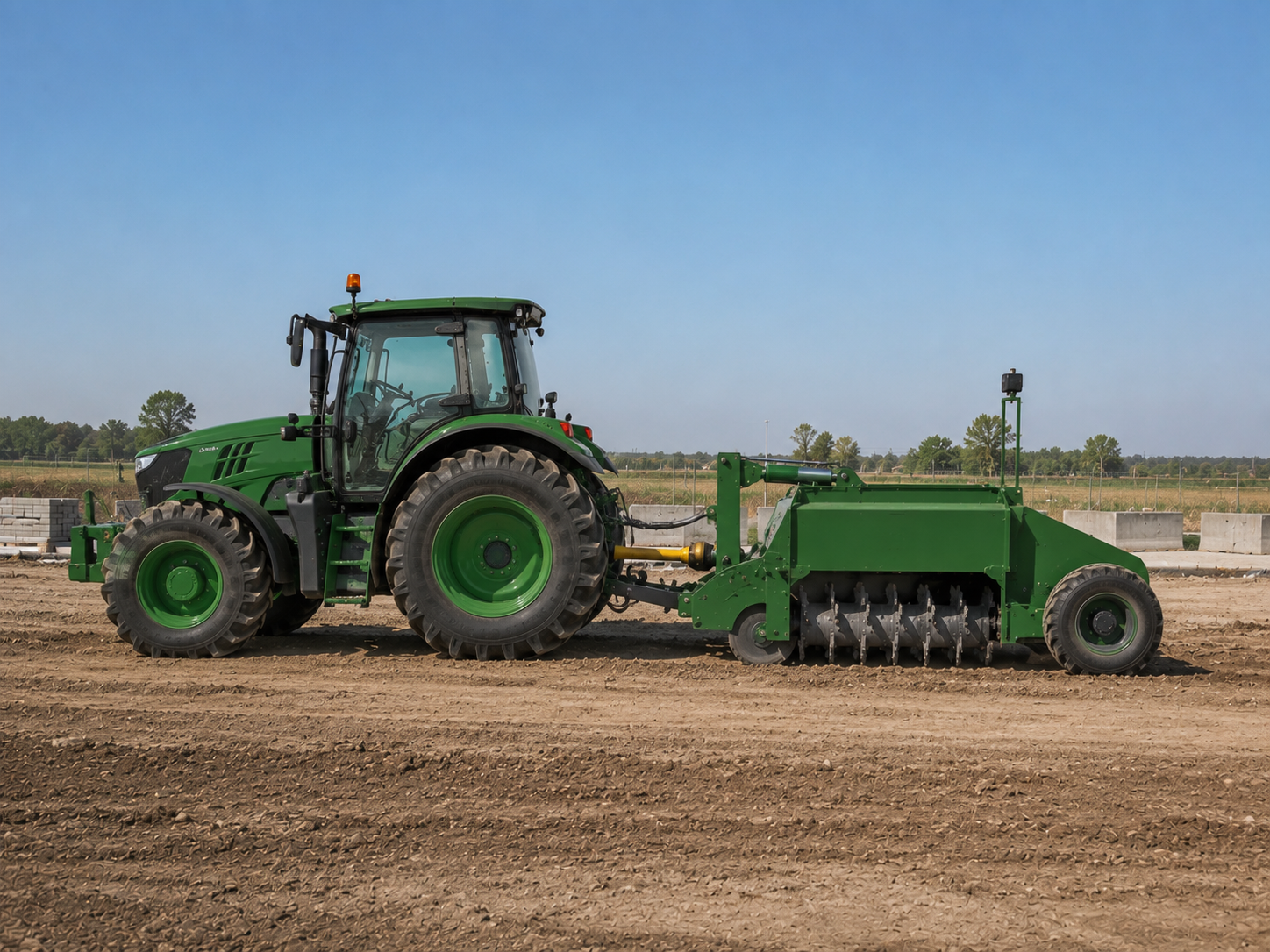
TOW-BEHIND SOIL STABILIZER
PTO-Driven Attachment
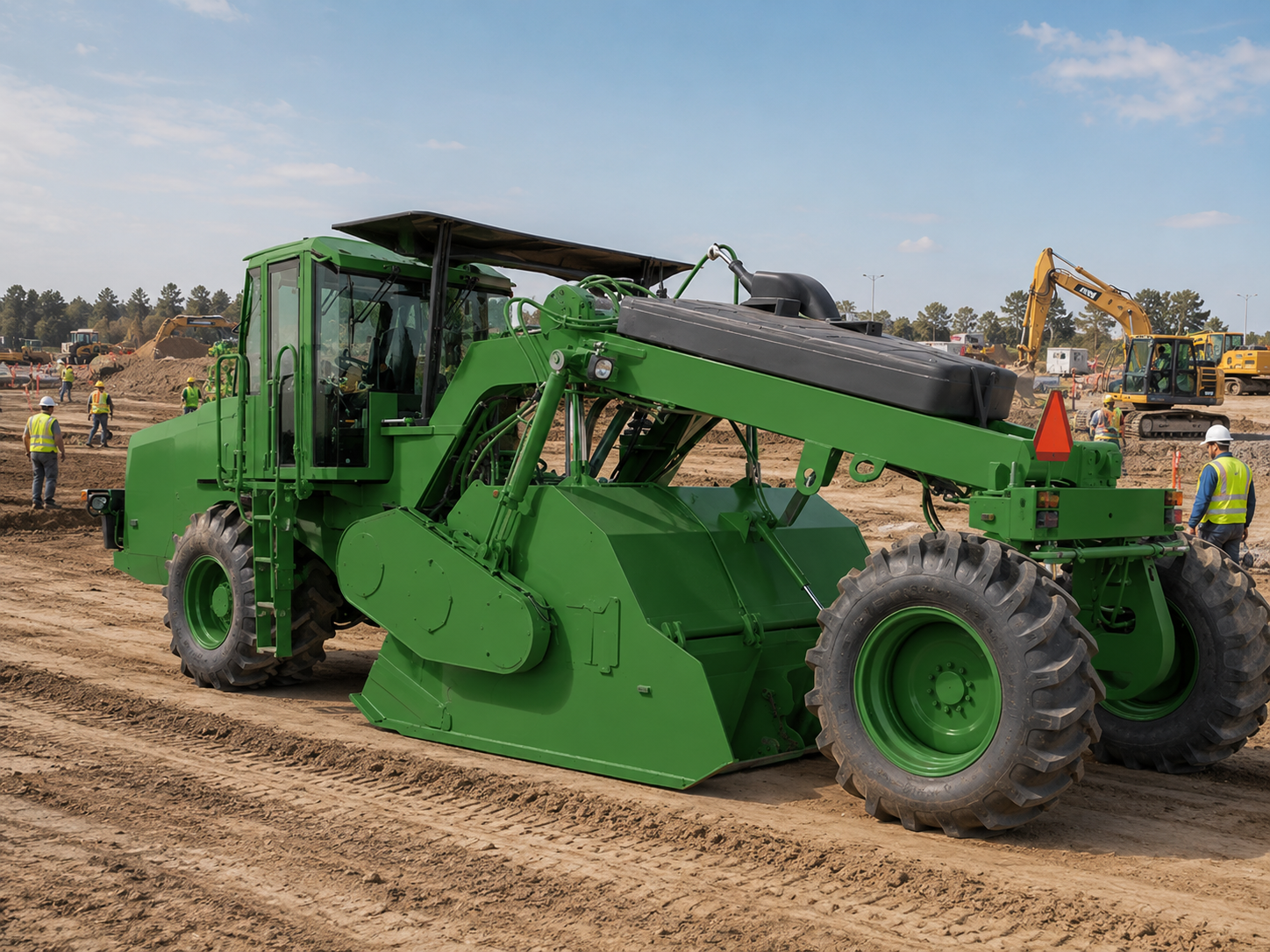
RECLAIMER-STABILIZER COMBO MACHINE
Dual-Function Road Equipment
Latest Guides & Insights
Soil Stabilization Methods Compared
Cement, lime, bitumen, chemical, or mechanical — each method suits different soils, budgets, and timelines. Here's how the five main approaches stack up side by side.
| Method | Best Soil WHERE IT WORKS | Strength Gain LOAD-BEARING RESULT | Cure Time TO USABLE STRENGTH | Cost RELATIVE | Typical Use WHERE YOU'LL SEE IT |
|---|---|---|---|---|---|
|
Cement
|
Sandy & granular, low-plasticity soils |
High. Strong, rigid layer
|
Fast — 3–7 days to major strength | MEDIUM | Road bases, subgrades, working platforms |
|
Lime
|
Wet, plastic clays with high fines |
Moderate. Dries & firms clay
|
Slower — 7–28 days pozzolanic gain | LOW | Clay subgrades, drying wet ground |
|
Bitumen
|
Sandy & gravelly, low-cohesion soils |
High. Flexible & waterproof
|
Fast — usable as binder cures | HIGHER | Full-depth reclamation, flexible bases |
|
Chemical
|
Problem & specialty soils, case-specific |
Varies. Tuned to the soil
|
Varies — product-dependent | HIGHER | Dust control, expansive/contaminated soils |
|
Mechanical
|
Blended aggregates, granular mixes |
Low–Mod. No chemical bond
|
Immediate — compact & go | LOW | Regrading, blending, quick densification |
Cement
Lime
Bitumen
Chemical
Mechanical
Note: Strength gain, cure time, and cost vary with soil conditions, binder rate, moisture, and mix design. Always confirm with a project-specific geotechnical mix design.
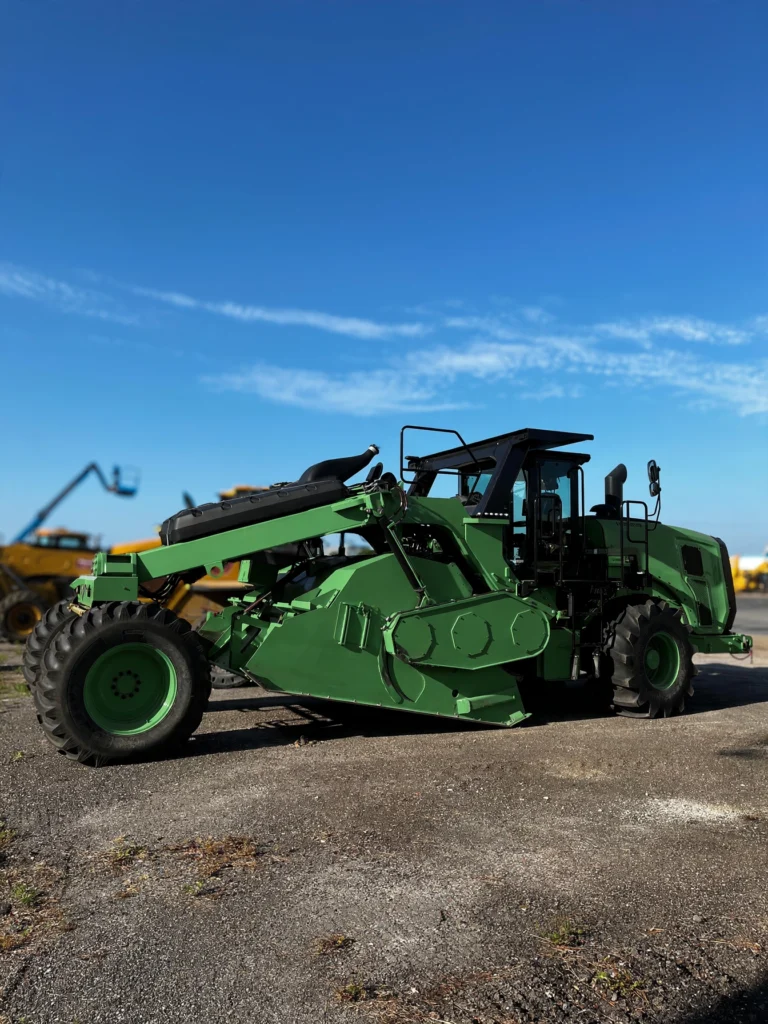
YOUR TRUSTED SOURCE FOR STABILIZATION KNOWLEDGE
experience
- IN-DEPTH EQUIPMENT INFO
- EXPERT INSIGHTS
- RELIABLE RESOURCES
POWERHOUSE OF THE ROAD
It is a proven fact that reliable, high-performance equipment lays the foundation for every successful construction project. Soil stabilisers are engineered to deliver consistent strength, precision, and durability on any terrain.
Find Your Stabilizer
Self-propelled, tow-behind, or reclaimer-combo? Answer three quick questions about your project and equipment — and get a straight recommendation on the right machine class for the job.
How big is the project?
Scale is the single biggest driver of which machine class pays off.
What's the main job?
Different work calls for different depth, output, and mixing capability.
Do you have a prime mover?
A capable tractor changes the economics of a tow-behind unit completely.
Matching Your Project
Weighing scale · job type · equipment